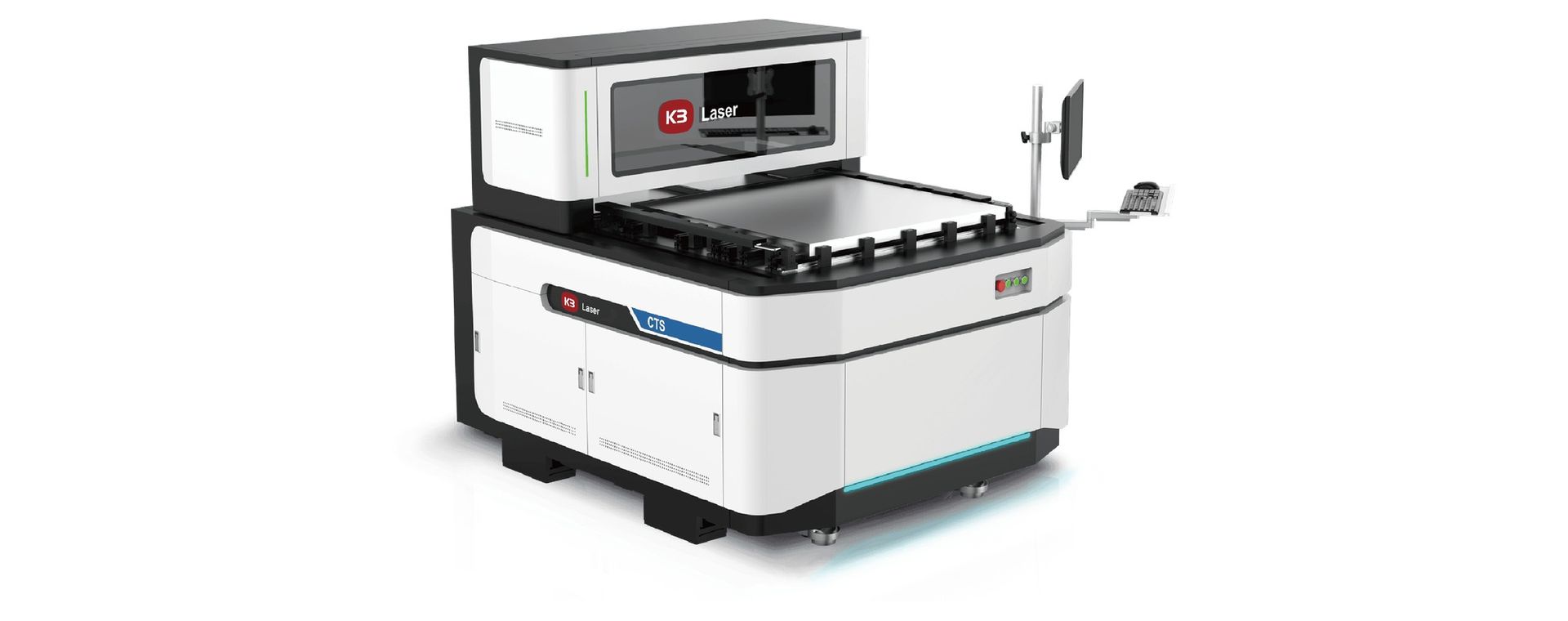
CTS1213 Laser Computer-to-Screen System
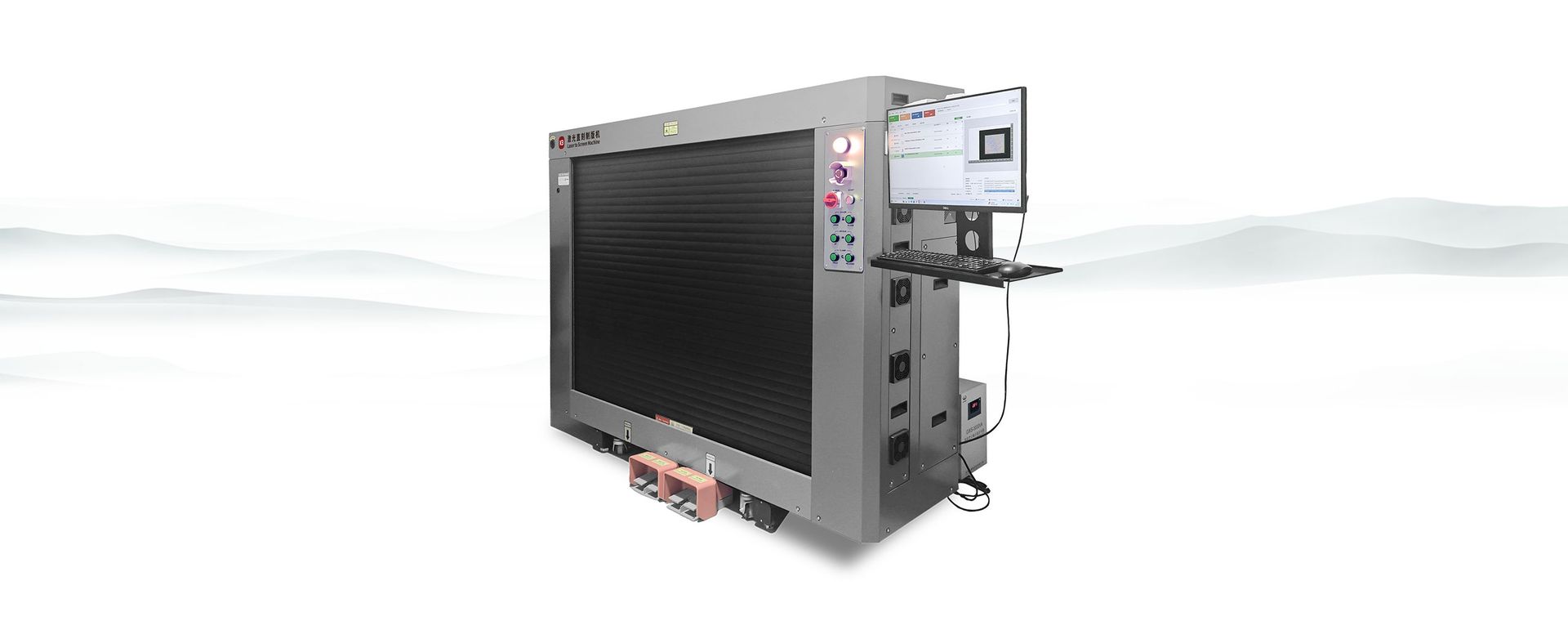
Computer-to-Screen (CTS) uses violet laser technology with DMD/DLP digital imaging to expose the computer file directly onto an emulsion-coated screen, with no film output. A 405nm UV laser on a precision linear-motor stage exposes the mesh surface at high resolution, cutting screen making from three steps to one.
- Film-free direct imaging
- 1270 / 2540 / 12700 DPI
- Dynamic auto-focus
- Compatible with mainstream registration pins
Technology highlights
Film-free direct imaging
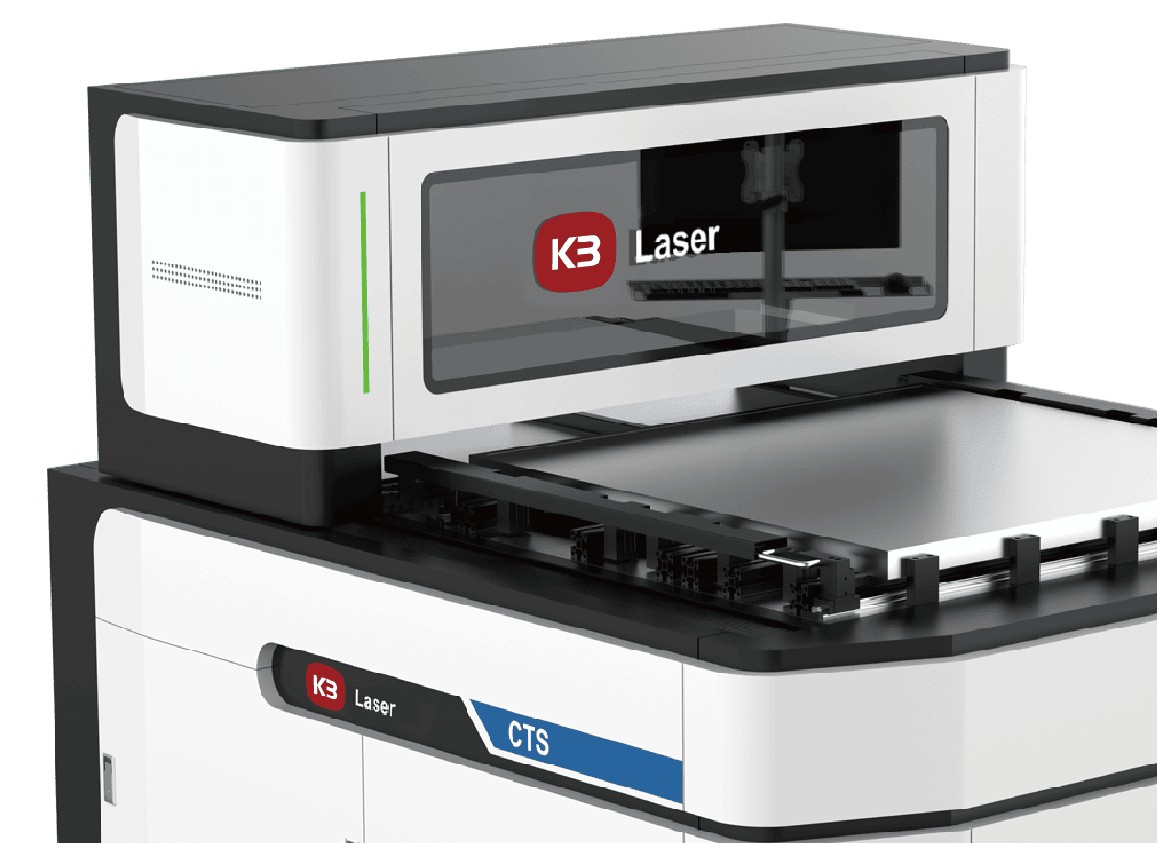
CTS uses violet laser technology with a DMD core from Texas Instruments and a high-power 405nm laser module to expose the mesh directly. The three steps of the conventional film-based workflow become one: faster screen making, less labour.
- 405nm UV laser with DMD/DLP digital imaging
- No film means no film wear and no film stretch or shrink - and no film cost
- Screen making drops from three steps to one
Precision and stability
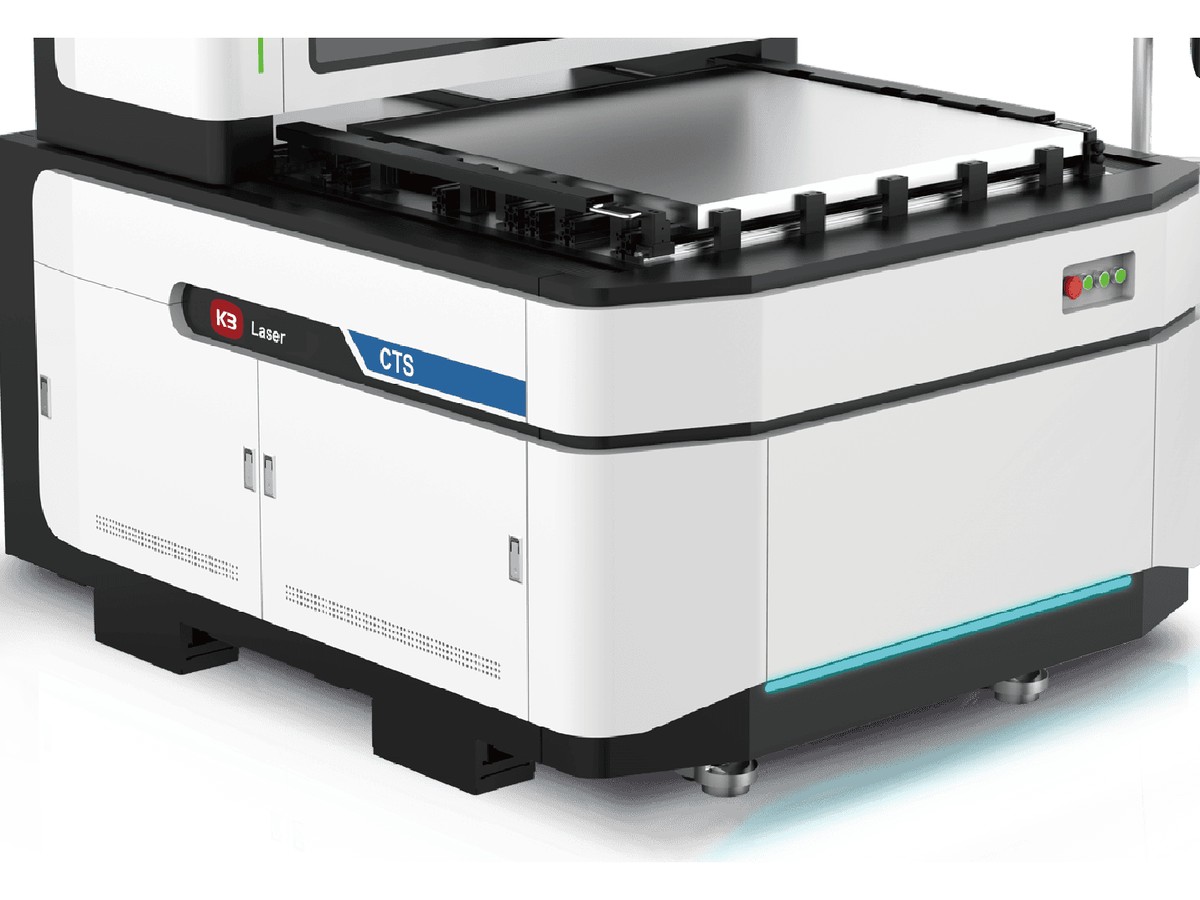
A high-precision linear-motor stage, a rigid steel frame and HIWIN precision linear guides hold repeatable positioning over long runs. Dynamic auto-focus keeps the Z axis on the optimum focal plane, so fine lines and halftone dots stay sharp and repeatable.
- Image resolution 1270 / 2540 / 12700 DPI (PDF vector, optional)
- Screen ruling up to 133-200 LPI (200 LPI at 2540 DPI)
- Rigid steel frame with HIWIN precision linear guides
- Water cooling holds laser power stable over long production runs
Throughput and pin compatibility
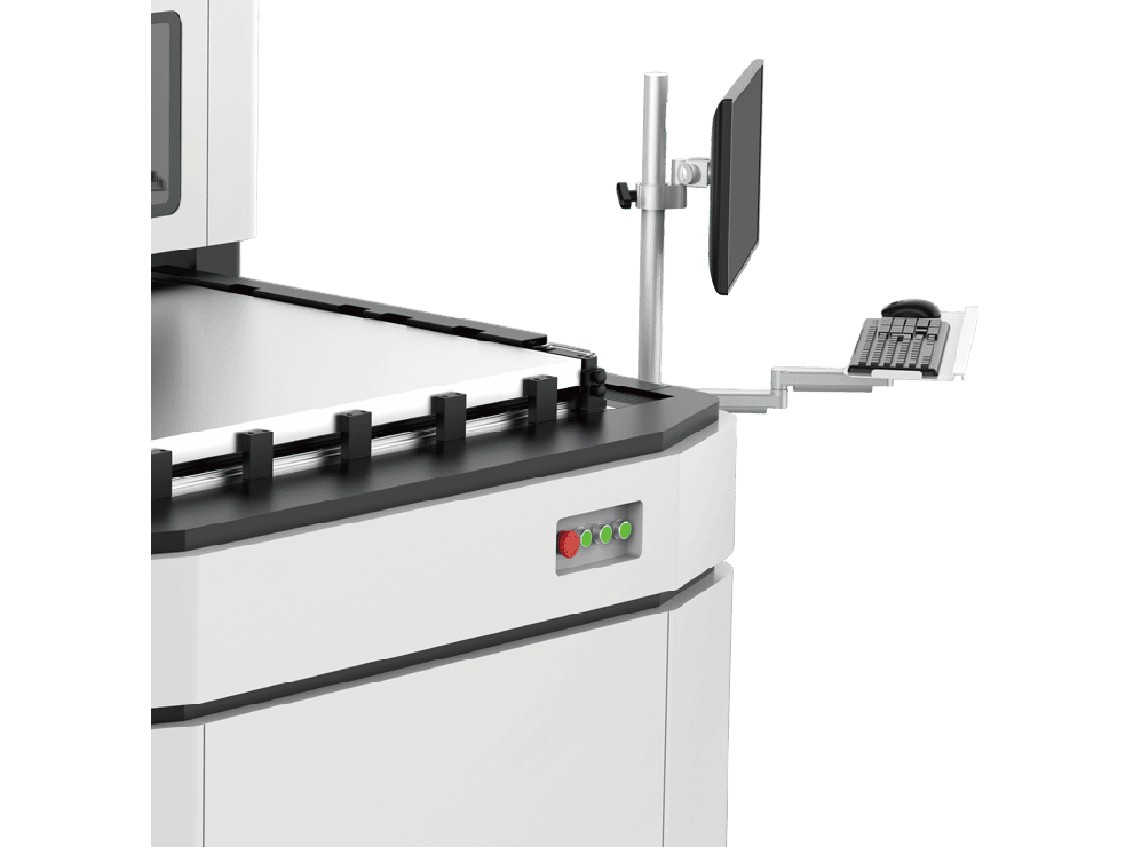
A 1 square metre screen exposes in about 3 minutes. Compatible with M&R Tri-Loc, ROQ pin and MHM pin registration, it connects directly to the frame positioning system already on your line, cutting registration and set-up time.
- Exposure time 120-240 seconds per square metre (at #350 yellow mesh)
- Supports M&R Tri-Loc / ROQ pin / MHM pin registration
- Accepts 1-bit TIFF, Gerber and PDF vector files
- Emulsion thickness 10-900 um (specified SBQ emulsion)
Core structure
Steel frame
A high-strength steel frame resists vibration and holds accuracy over years of service.
HIWIN linear guides
HIWIN precision linear guides keep X/Y motion smooth and positioning exact.
Water cooling
An integrated water-cooling system keeps laser power output stable in continuous production.
DMD/DLP imaging
A Texas Instruments DMD digital micromirror device produces sharp imaging and clean dots.
Specifications
| Max frame size | 1200 × 1300 mm |
| Min frame size | 400 × 400 mm |
| Max exposure area | 1100 × 1200 mm |
| Machine dimensions (W x D x H) | 2150 × 1860 × 1550 mm |
| Net weight | 1500 kg |
| Imaging system | DMD/DLP digital imaging |
| Emulsion thickness (EOM) | 10-900 um (specified SBQ emulsion, screen included) |
| Exposure time | 120-240 seconds per square metre (at #350 yellow mesh) |
| Image resolution | 1270 / 2540 / 12700 DPI (PDF vector, optional) |
| Screen ruling | Up to 133-200 LPI (200 LPI at 2540 DPI) |
| Focus | Dynamic auto-focus (real-time Z axis) |
| File formats | 1-bit TIFF, Gerber, PDF vector |
| Laser type | UV laser, 405 +/- 5 nm |
| Laser power | 20W / 25W / 30W (optional) |
| Frame thickness | 25-40 mm (customisable) |
| Registration | M&R Tri-loc / ROQ pin / MHM pin |
| Operating environment | Yellow safelight room; 22 +/- 2 C, 40-70% RH (non-condensing) |
| Power supply | Single phase 220V, 50/60 Hz, 4 kW (varies by model) |
| Compressed air | 0.5 MPa |
Applications
CTS1213 serves high-resolution screen making for textile printing, heat-transfer labels, silicone printing, packaging, PCB and industrial screen printing, with frame thickness 25-40mm (customisable) and a maximum frame of 1200 x 1300mm.
Compared with film-based exposure, laser CTS removes intermediate steps, improves screen consistency and shortens set-up time, so printers hold product quality while making screens faster.
Get a tailored configuration and quote
Custom configurations · sample testing · remote installation guidance